Bysta: A Lively Script Font for Handmade Brands
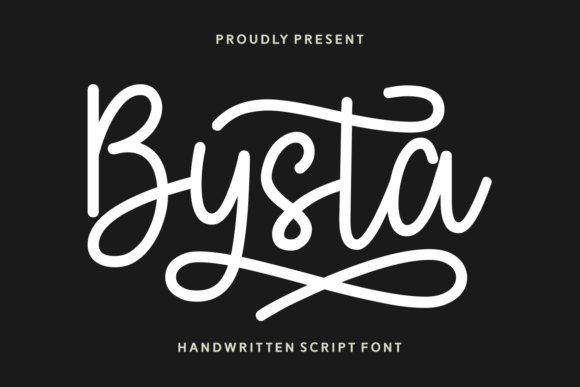
Bysta is a lively script font with a friendly, hand-drawn look that immediately caught my eye while I was finalizing the branding for a new line of artisanal soy candles. As a creator who spends hours tweaking kerning and testing cut files, I am always on the hunt for Script Handwritten typefaces that feel authentic rather than manufactured. This particular font delivers exactly that casual, market-style feel, making it an exceptional choice for signs, logos, and product labels that need a warm, personal touch. When you are building a brand identity from scratch, the right typography does more than just display text; it communicates the soul of your business.
Bringing Warmth to Candle Labels and Product Packaging
The first place I tested Bysta was on a series of minimalist candle labels. In the world of handmade goods, packaging is often the first physical interaction a customer has with your brand. I needed a typeface that could stand out against a kraft paper background without looking too rigid or corporate. Bysta proved to be incredibly versatile here. The letters have a natural bounce and irregularity that mimics genuine handwriting, which adds an immediate layer of trust and approachability. Because it is a Script Handwritten style, it avoids the sterile perfection of standard digital fonts, giving the label a "made by hand" aesthetic even if the production process involves printers and cutters. For makers selling bath bombs, soaps, or boutique food items, this font helps bridge the gap between professional presentation and homemade charm.
When designing these labels, I found that Bysta works best for short phrases, product names, or scent titles. It is not designed for dense paragraphs of ingredient lists or safety warnings. Instead, pair it with a clean sans serif font for the smaller, functional text. This contrast ensures that your brand name pops with personality while the necessary information remains legible and compliant. The casual nature of the font means it pairs beautifully with rustic textures, watercolor elements, and organic shapes commonly found in modern packaging design.
Creating Eye-Catching Signs and Boutique Logos
Beyond small labels, I explored how Bysta performs in larger formats, specifically for shop signs and logo design. The prompt description notes that it is great for signs, and after scaling it up for a mock welcome board, I can confirm its impact. The thick strokes and friendly curves maintain their integrity even at larger sizes, making it a strong contender for display use. For Etsy sellers or local craft fair vendors, having a cohesive visual language across your booth signage and business cards is crucial for brand recognition. Bysta offers that consistency. It feels inviting, like a handwritten note from a friend, which is precisely the vibe many small businesses aim to cultivate.
For logo design, the font’s unique character allows it to stand alone without needing excessive graphic embellishments. If you are creating a logo for a bakery, a floral studio, or a children’s boutique, the playful yet polished nature of this font can serve as the centerpiece of your brand identity. It strikes a balance between whimsical and professional, ensuring that your business looks established but not stiff. When using it for logos, consider exploring any included alternates or ligatures to create a custom lockup that is unique to your brand.
Enhancing Wedding Invitations and Stationery Designs
Another area where Bysta shines is in the realm of stationery and event design. I tested it on a set of casual wedding invitations and birthday party invites. While some script fonts are too formal or overly ornate for modern celebrations, Bysta brings a relaxed elegance. It is perfect for couples or hosts who want a celebration that feels intimate and joyful rather than strictly traditional. The hand-drawn look adds a personal touch that resonates with guests, making the invitation feel like a special keepsake.
However, readability is key when working with Script Handwritten styles for invitations. I recommend using Bysta for the names of the hosts and guests, as well as the main headline, but switching to a complementary serif or sans serif font for the date, time, and location details. This hierarchy guides the reader’s eye and ensures that critical information is not lost in the decorative flair. For printable creators, this font can be a bestseller in templates for baby showers, bridal showers, and casual weddings, where the tone is celebratory and warm.
Practical Tips for Cutting Machines and Digital Downloads
For those using Cricut or Silhouette machines, working with script fonts requires attention to detail. Bysta generally cuts well, but because it is a connected script, you must ensure that your software settings are optimized for thin lines and intricate curves. Before cutting into expensive vinyl or cardstock, always perform a test cut on scrap material. Check for any disconnected letters or fragile bridges that might tear during the weeding process. If you are creating stickers or decals, consider adding a slight offset or white border to reinforce the structure of the letters, especially if the design includes delicate swashes.
When preparing digital downloads or printables, remember that the perceived quality of your product often hinges on the typography. Using a premium-looking font like Bysta can elevate a simple PDF planner page or a wall art print into a high-value item. Customers are willing to pay more for designs that look curated and thoughtful. Ensure that you check the commercial license terms before selling products made with this font. Most reputable font creators allow for physical end products, but it is always wise to verify restrictions regarding digital templates or mass-produced merchandise. By understanding the licensing and technical requirements, you can confidently integrate Bysta into your creative workflow, knowing that it will enhance both the aesthetic appeal and the commercial viability of your handmade goods.